Introduction to AI Image Generators
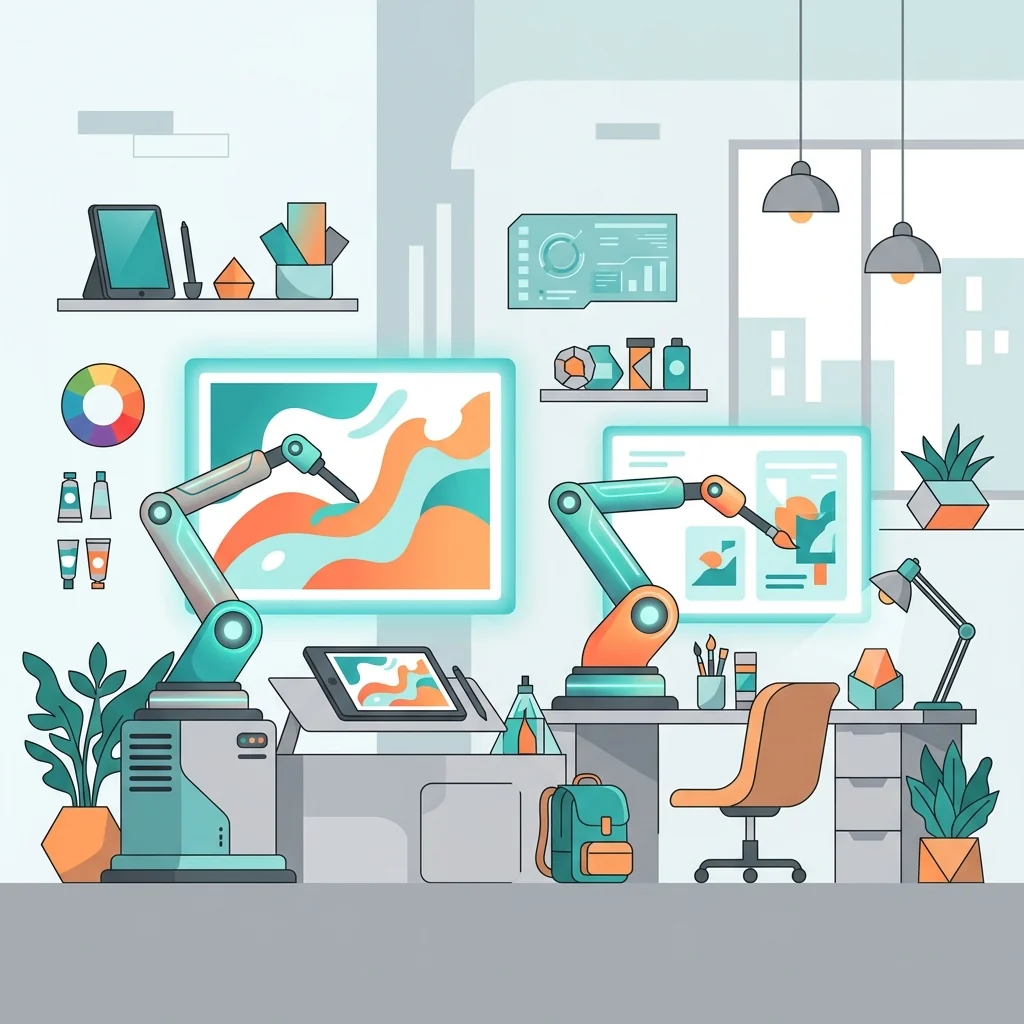
Artificial intelligence (AI) image generators have revolutionized the creative workflow for graphic designers, offering innovative tools to streamline visual content creation. These tools use machine learning models to generate high-quality, customized images based on user inputs. Graphic designers exploring AI for visual projects in 2026 will find a diverse range of options tailored to various needs, such as creating illustrations, enhancing photography, or producing concept art. Tools like DALL·E, MidJourney, and Stable Diffusion stand out for their advanced algorithms and user-friendly interfaces. The comparison of AI image generators often revolves around factors like output quality, customization options, and ease of use, making it essential for designers to assess these features before integrating them into their workflows.
When comparing AI image generators for designers in 2026, it becomes evident that each platform has unique strengths and limitations. For instance, DALL·E excels in generating surreal and abstract visuals, while MidJourney is favored for its artistic style and creative flexibility. On the other hand, Stable Diffusion offers a balance between quality and speed, making it ideal for quick iterations. Graphic designers aiming to integrate these tools must also consider pricing models, compatibility with existing software, and the learning curve associated with each platform. Ultimately, the choice of an AI image generator depends on the specific project goals and the designer's preferences, as these tools continue to evolve and redefine the landscape of visual content creation.
Key Features of Leading AI Tools in 2026
The rapid evolution of AI image generators has significantly impacted graphic designers by 2026, offering tools that deliver high-quality visuals with remarkable efficiency. These platforms stand out for their ability to produce custom visuals, spanning styles from photorealism to abstract art. Key features include advanced customization options, allowing designers to input specific parameters like color schemes, textures, and themes to align outcomes with their creative vision. Many tools also incorporate user-friendly interfaces, making them accessible for professionals with varying levels of technical expertise. Integration with popular design software, such as Adobe Creative Suite and Figma, has further boosted their appeal, ensuring seamless workflows for graphic designers exploring AI for visual projects.
In a comparison of AI image generators for designers in 2026, differentiation often comes down to factors like output quality, speed, and cost. Some tools prioritize photorealistic rendering for industries like advertising, while others excel in abstract or stylized outputs for artistic projects. Subscription models vary, with free-tier options suitable for beginners and premium services targeting professionals demanding high-resolution outputs. Many platforms now emphasize ethical AI development, integrating features that prevent copyright infringement and enhance transparency in generated content. This ensures that designers can confidently use AI-generated visuals without legal or creative concerns, making these tools indispensable for their workflows in 2026.
Performance Comparison Across Platforms
The rapid evolution of AI image generators has provided graphic designers in 2026 with a wide range of tools tailored to visual projects. These tools vary in performance, with some excelling in photorealism while others focus on artistic styles or abstract visuals. Designers now prioritize user-friendly platforms, rich feature sets, and seamless integration with existing software. For instance, certain generators emphasize customizable workflows, allowing designers to fine-tune outputs according to project needs. Additionally, resolution quality and processing speed are key performance metrics influencing the selection of these tools. Comparing platforms based on these criteria enables designers to identify solutions that align with their creative goals while optimizing time and resources.
When comparing AI image generators, compatibility with design workflows remains a critical factor for professionals. Platforms that offer plug-ins or API integrations for popular tools such as Adobe Photoshop or Figma are highly favored. Another differentiator lies in the licensing models, where some tools provide unlimited usage for a flat fee, while others operate on a pay-per-use basis. Designers must also assess the diversity of templates and style libraries provided by each generator. For projects requiring specific aesthetics, tools with a broad range of pre-trained models are advantageous. In 2026, the ability to balance innovation with practicality defines the effectiveness of AI image generators for graphic design purposes.
How Designers Can Leverage AI for Projects
The rapid evolution of AI image generators has significantly impacted graphic design workflows. In 2026, designers are exploring tools like DALL-E, MidJourney, and Stable Diffusion for their unique capabilities. For instance, DALL-E excels in creating highly detailed, imaginative visuals, while MidJourney focuses on artistic and stylized outputs. Stable Diffusion, on the other hand, is valued for its open-source flexibility, allowing designers to fine-tune results. As graphic designers increasingly embrace AI, understanding these tools' strengths and limitations is essential to selecting the right fit for specific projects. By leveraging these platforms, professionals can save time, enhance creativity, and produce visuals that meet client expectations.
When comparing AI image generators, it's vital to evaluate factors like ease of use, customization options, and licensing terms. In 2026, graphic designers prioritize tools that integrate seamlessly into existing workflows. For example, MidJourney’s community-driven approach fosters collaborative creativity, while DALL-E’s API enables efficient integration with third-party software. Stable Diffusion stands out for its affordability and adaptability, making it a top choice for freelancers. These distinctions help designers align their tool selection with project goals, whether creating brand visuals, conceptual art, or marketing assets. By staying informed about advancements in AI image generators, designers can maintain a competitive edge in the rapidly evolving creative industry.
Future Trends in AI Image Generation
The year 2026 will likely present graphic designers with a wide array of advanced AI image generators, each tailored to meet specific creative needs. Designers will focus on comparing features such as rendering precision, style diversity, and user-friendly interfaces. For instance, the demand for tools capable of producing hyper-realistic visuals or abstract art will grow, driven by both commercial and artistic projects. AI systems with customizable templates and adaptive learning algorithms may dominate the market, as these can cater to individual design preferences. Additionally, subscription models and pricing strategies will influence decisions, especially for freelancers and small businesses. Hence, understanding the strengths and limitations of each generator will be crucial for optimizing creative workflows.
As AI image generation technologies evolve, their integration into graphic design workflows will become more seamless. Designers will prioritize tools that offer collaborative features and compatibility with existing design software like Adobe Creative Suite. The ability to generate high-quality visuals quickly, without compromising on originality, will remain a key factor. Moreover, ethical considerations, such as copyright compliance and responsible AI usage, will shape the selection process. Reviews and comparisons of AI image generators will be essential for designers aiming to find the perfect balance between creativity and efficiency. By 2026, the focus will not only be on technical capabilities but also on how these tools align with the dynamic needs of the global design community.