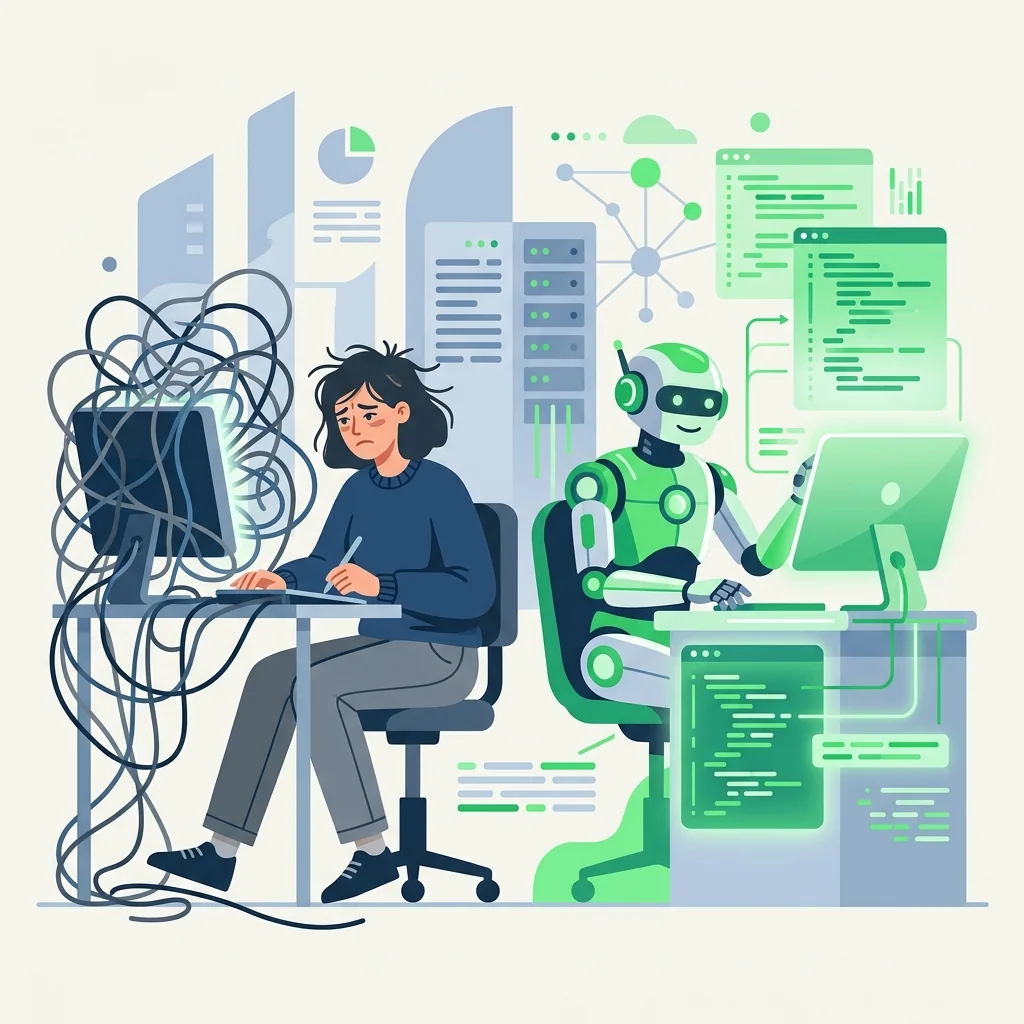
Understanding Legacy Code and Its Challenges
Legacy code refers to outdated or inherited codebases that are still in use but may no longer follow modern programming practices. Software engineers often face significant challenges when working with legacy code, such as lack of documentation, outdated technologies, and unclear logic. These issues can hinder productivity and make it difficult to implement new features or fix bugs. This is where AI tools come into play. By leveraging AI for legacy code refactoring, engineers can identify inefficiencies, detect redundancies, and optimize code more effectively. AI-based tools can also assist in generating documentation, improving readability, and ensuring compatibility with modern frameworks, thereby streamlining the refactoring process.
To begin using AI for legacy code refactoring, engineers should first analyze the existing codebase to identify critical areas that need attention. AI-powered static code analysis tools can scan the codebase for obsolete patterns, security vulnerabilities, and performance bottlenecks. These insights can guide developers in prioritizing their tasks. Additionally, AI models trained on extensive coding datasets can suggest modern, efficient alternatives to outdated code structures. However, the role of human expertise remains crucial, as developers must review and validate AI-generated suggestions to ensure they align with project requirements. By combining AI tools with their own knowledge, software engineers can refactor legacy codebases more efficiently and maintain long-term code quality.
The Role of AI in Refactoring Legacy Code
Refactoring legacy code is a critical process for maintaining software quality and ensuring long-term project sustainability. Leveraging AI for this task can significantly streamline the workflow, making it faster and less prone to human error. AI-powered tools can analyze vast amounts of code, identify inefficiencies, and suggest optimal solutions, all while maintaining the original functionality. These tools can also detect redundant code, unused variables, and outdated libraries, which are common in legacy systems. By automating repetitive tasks, software engineers can focus on higher-level challenges, such as improving architecture or introducing new features. Understanding how to use AI for legacy code refactoring is becoming a vital skill for developers handling complex codebases.
Before integrating AI into the refactoring process, it is essential to select the right tools and frameworks. Many AI-driven platforms offer features like code analysis, automated testing, and real-time suggestions. For example, static analysis tools powered by AI can highlight areas of the codebase that need optimization. Additionally, these tools help ensure compliance with modern coding standards, reducing the risk of introducing new bugs. Collaboration between AI tools and human expertise enhances the accuracy and efficiency of the refactoring process. Software engineers should approach AI as a collaborator rather than a replacement, ensuring the final code reflects both machine precision and human creativity. This hybrid approach is key for achieving sustainable and maintainable codebases.
Key AI Tools for Legacy Code Refactoring
Legacy code can be challenging to manage, especially for software engineers working on outdated systems. AI tools like OpenAI Codex or GitHub Copilot are becoming essential for analyzing and modernizing legacy codebases. These tools can assist in understanding complex code structures, identifying redundancies, and suggesting improvements. By leveraging machine learning algorithms, AI tools provide recommendations that align with modern coding practices. They also help automate repetitive tasks, such as code formatting or syntax corrections, saving time and reducing manual errors. Software engineers can integrate AI-based solutions directly into their development environments, enabling seamless collaboration while refactoring legacy projects.
To use AI for legacy code refactoring effectively, start by setting clear objectives for the refactoring process. AI tools require well-defined goals, such as improving performance or enhancing maintainability. Upload the legacy codebase into AI-assisted platforms to get context-aware insights. These tools can highlight sections of code that need optimization and even suggest alternative methods to achieve better results. Additionally, software engineers should validate AI-generated suggestions, ensuring compatibility with existing architecture. AI can also provide documentation for previously unstructured code, making it easier for teams to collaborate. By incorporating AI strategically, engineers can transform legacy codebases into efficient, maintainable, and future-ready systems.
Best Practices for Using AI in Code Refactoring
Refactoring legacy code with AI tools can significantly improve efficiency and reduce the risk of introducing errors. Start by analyzing your codebase thoroughly to identify areas that require improvement, such as redundant code, outdated libraries, or convoluted logic. AI-powered tools can assist in automating repetitive tasks, suggesting more efficient algorithms, and even identifying potential bugs. Make sure to feed the AI with comprehensive context about your code, such as test cases and documentation, to ensure accurate recommendations. Always validate the AI’s suggestions by conducting thorough reviews and testing. This process ensures that the refactored code remains functional, maintainable, and aligned with your project’s requirements.
To maximize the benefits of AI in legacy code refactoring, software engineers should focus on integrating AI tools with existing workflows. Using continuous integration and deployment pipelines for testing the AI-driven changes can help maintain code quality. Remember to keep your team informed about the AI’s role in the refactoring process, ensuring transparency and collaboration. While AI is a powerful assistant, human expertise is crucial for making context-aware decisions, especially in complex legacy systems. Combining AI with manual refactoring techniques can yield the best results. Additionally, prioritize tools that align with your programming language, framework, and team expertise. This strategic approach will streamline the refactoring process, making it more efficient and reliable.
Future Trends in AI and Legacy Code Management
As artificial intelligence (AI) continues to evolve, its application in legacy codebase management is becoming increasingly prominent. AI tools can analyze outdated or complex codebases, identify inefficiencies, and suggest improvements for refactoring. Machine learning algorithms, for instance, can detect patterns in code to recommend optimal restructuring that aligns with modern coding standards. These tools are particularly valuable for software engineers tasked with maintaining older systems, as they can significantly reduce the time and effort required. By automating repetitive processes, AI enables developers to focus on more strategic tasks, such as system enhancements and new feature development. This tutorial-style approach to using AI fosters efficiency and ensures that legacy systems remain robust and scalable.
For software engineers wondering how to use AI for legacy code refactoring, the process often involves integrating AI-powered code analysis tools into development workflows. These tools not only identify redundant or outdated code but also provide actionable suggestions to modernize the codebase. AI can simulate various scenarios to predict the impact of changes, ensuring minimal disruption to the existing system. Additionally, AI models trained on extensive code repositories can propose best practices tailored to specific programming languages. By clustering similar coding patterns, these tools simplify the refactoring process, making it more manageable even for complex systems. In the context of legacy codebases, AI is proving to be a game-changer for maintaining efficiency and code quality.