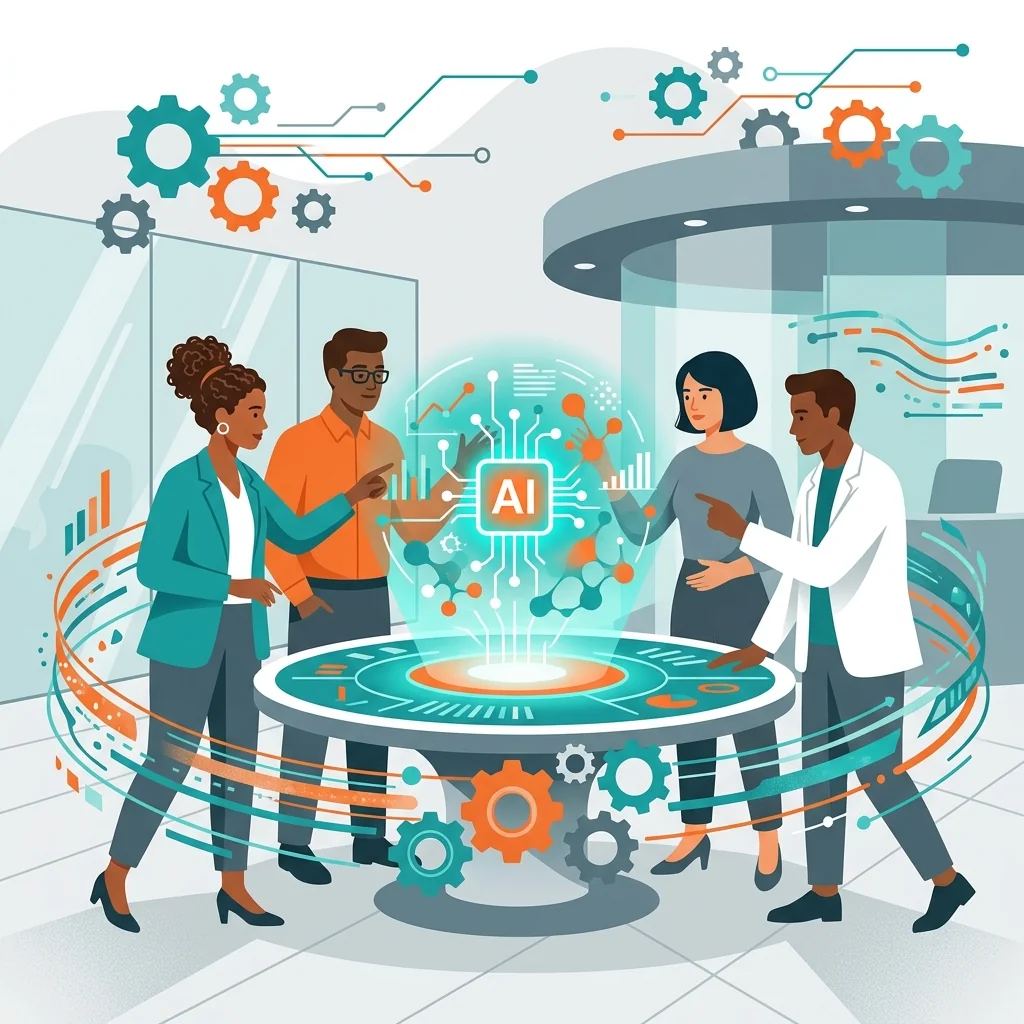
Understanding AI's Evolving Role in Workflows
Artificial intelligence (AI) continues to transform workflows, offering innovative ways to streamline processes and boost productivity. By 2026, integrating AI into workflows will be essential for project managers and team leaders aiming to optimize their operations. Strategies to integrate AI into your workflow in 2026 hinge on identifying the right AI tools tailored to specific tasks, such as automating repetitive operations or analyzing large data sets. Tools like predictive analytics can aid in forecasting project timelines, while machine learning systems can enhance decision-making processes. Leveraging these technologies allows teams to allocate resources more effectively, reduce errors, and focus on strategic objectives, ultimately driving better outcomes in competitive environments.
Successful AI integration requires a structured approach and a clear understanding of organizational goals. Project managers should begin by assessing the team's current workflow and identifying areas where AI tools can add value. For example, AI-powered collaboration platforms can improve communication, while task management tools can streamline scheduling. Training and support are also crucial; equipping team members with the knowledge to interact effectively with AI systems ensures smoother adoption. Furthermore, maintaining a focus on ethical considerations and data privacy will foster trust and compliance. By aligning AI capabilities with long-term objectives, leaders can create adaptive, efficient workflows that meet the demands of 2026 and beyond.
Identifying the Right AI Tools for Your Needs
In 2026, effectively integrating AI into workflows requires project managers and team leaders to identify the right tools tailored to their specific needs. Start by evaluating your current processes and pinpointing areas where AI can add value, such as automating repetitive tasks, improving data analysis, or enhancing decision-making. Research AI tools that align with your objectives—whether for project management, communication, or data visualization—and assess their features, scalability, and compatibility with your existing systems. Collaboration between departments is crucial to ensure seamless adoption, so involve stakeholders early in the decision-making process. By prioritizing tools that address pain points and align with long-term goals, teams can maximize productivity while minimizing disruption.
When selecting AI tools, consider factors like ease of use, integration capabilities, and vendor support to ensure smooth implementation. Testing potential solutions through pilot programs can help identify challenges before full-scale deployment. Additionally, focus on training your team to effectively utilize these tools, fostering a culture of adaptability and continuous learning. Keep track of industry trends and regularly evaluate the performance of your AI solutions to ensure they remain aligned with your evolving workflow needs. By adopting a strategic approach, project managers and team leaders can leverage AI to streamline processes, enhance collaboration, and drive innovation, ultimately creating a more efficient and competitive work environment.
Steps to Seamlessly Implement AI into Processes
Integrating AI into workflows requires a structured approach to ensure that its capabilities align with the team’s goals. Start by identifying repetitive tasks or bottlenecks within current processes, as these areas often benefit the most from automation or optimization. By analyzing workflows, project managers can pinpoint where AI-powered tools, such as predictive analytics or task automation platforms, can add value. Next, assess the readiness of your team to adopt new technologies. Providing training sessions and resources ensures that team members understand how to leverage AI tools effectively. Additionally, selecting scalable AI solutions that align with long-term organizational goals is crucial for sustainability and growth.
To ensure a seamless integration, it’s vital to monitor and evaluate the AI tools’ performance regularly. Use measurable KPIs to assess how these solutions impact productivity and efficiency. Feedback loops can also play a critical role, allowing teams to refine processes and adapt AI usage based on actual outcomes. Collaboration is key; involve stakeholders at every level to foster a sense of ownership and ease the transition. Moreover, understanding compliance requirements and ethical considerations ensures that AI integration adheres to industry standards. By combining strategic planning with continuous improvement, organizations can fully harness AI’s potential to streamline operations and achieve competitive advantages in 2026.
Measuring the Impact of AI on Workflow Efficiency
Integrating AI tools into workflows has become a cornerstone for project managers and team leaders aiming to enhance efficiency in 2026. By leveraging advanced technology, teams can automate repetitive tasks, analyze large datasets, and improve decision-making processes. Strategies to integrate AI into your workflow in 2026 include assessing current processes, identifying areas where automation provides value, and selecting tools tailored to specific needs. For example, AI-powered scheduling software can optimize resource allocation, while predictive analytics platforms help anticipate project risks. These tools not only reduce manual workloads but also foster a culture of innovation, making teams more agile and effective in achieving their goals.
To implement AI successfully, project managers must focus on training and change management. Ensuring team members are equipped to use AI tools is critical for maximizing their potential. Workshops, online courses, and real-time support can ease the transition. Additionally, clear communication about AI’s benefits and limitations helps set realistic expectations. Strategies to integrate AI into your workflow in 2026 may also involve pilot testing before full-scale deployment to identify potential challenges early. Balancing human expertise with AI capabilities ensures a smooth integration while maintaining the flexibility required for complex projects. By fostering collaboration between technology and human insight, organizations can unlock new levels of productivity and innovation, positioning themselves for sustained success.
Future-Proofing Your Workflow with AI
The rapid advancement of AI tools offers project managers and team leaders unique opportunities to streamline workflows. By 2026, integrating AI into your processes will require a mix of strategic planning and adaptability. Start by identifying repetitive tasks that consume significant time, such as data analysis, scheduling, and reporting. Implementing AI-powered tools, like predictive analytics software or automated scheduling platforms, can reduce manual effort and improve accuracy. It’s essential to involve your team early in the integration process to ensure they understand the value AI brings to their roles. Regular training sessions and open communication can help alleviate concerns and foster a collaborative environment as new technologies are adopted.
Another crucial strategy is to continuously evaluate the effectiveness of AI tools in your workflow. Project managers should set measurable goals to track improvements in efficiency, such as reduced project timelines or enhanced resource allocation. Additionally, consider AI solutions that can adapt to industry changes, ensuring long-term relevance. Many platforms offer customizable features that allow you to tailor them to your specific needs, making them more effective over time. Collaborating with IT specialists or AI consultants can also provide valuable insights into the best tools available for your objectives. By staying proactive and open to innovation, you can future-proof your workflow and maintain a competitive edge in an increasingly AI-driven landscape.