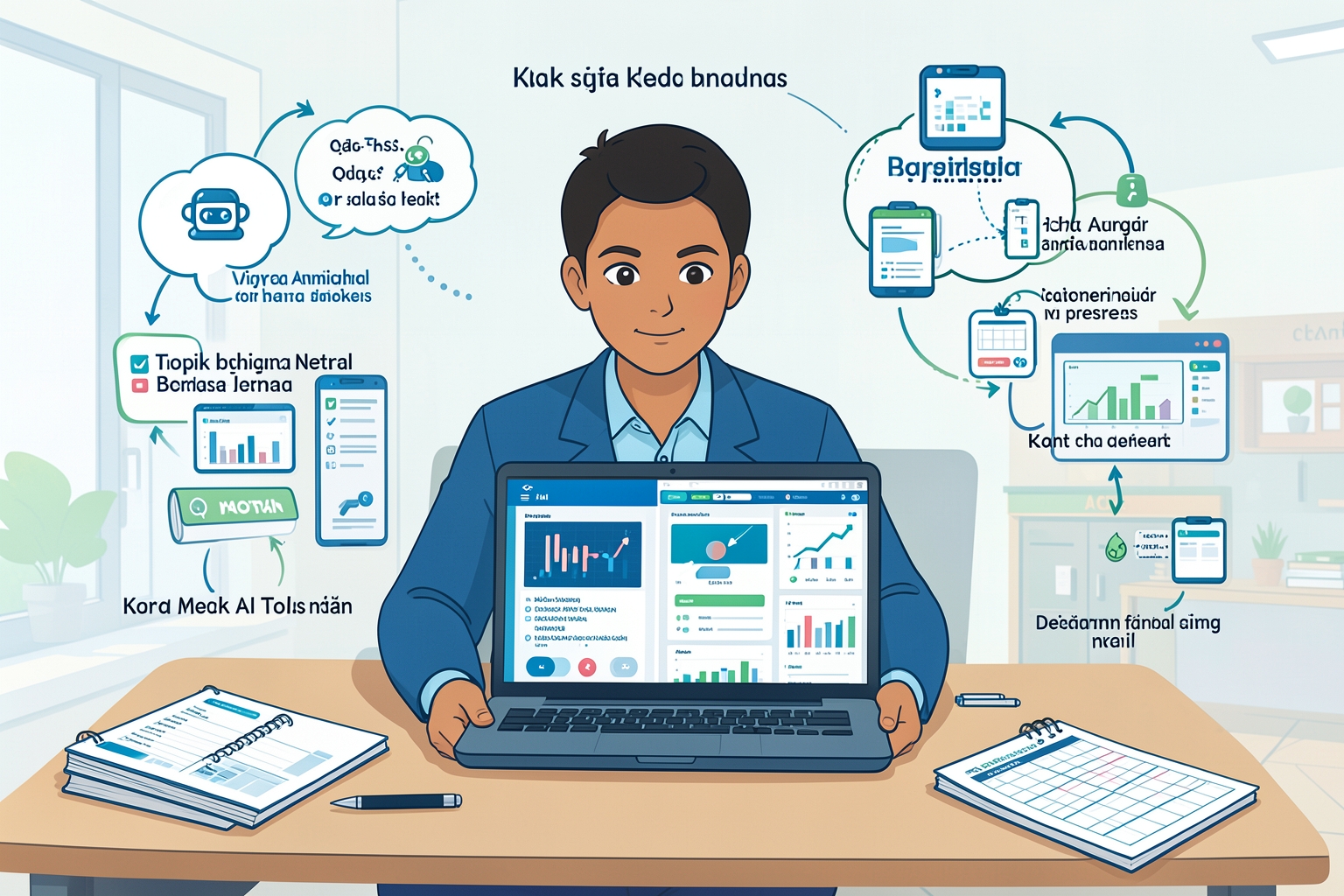
Understanding the Benefits of AI for Small Businesses
Artificial Intelligence (AI) is revolutionizing how small businesses operate, offering tools that improve efficiency and decision-making. By automating repetitive tasks, AI allows business owners to focus on strategic growth. For example, AI-powered customer service chatbots can handle customer inquiries 24/7, reducing workload and enhancing customer satisfaction. Similarly, tools like predictive analytics help businesses forecast demand and manage inventory more effectively. These applications save both time and money, making AI a valuable asset for small businesses. However, choosing the right AI tools requires careful consideration of business needs, budget, and scalability to ensure long-term benefits.
When selecting AI tools, small business owners should prioritize simplicity and practicality. Start by identifying the specific challenges or inefficiencies within your operations. Research AI solutions that directly address these pain points, such as marketing automation, sales forecasting, or operational optimization tools. It's also crucial to evaluate the cost, ease of integration, and user-friendliness of the tools. Many platforms offer free trials, which allow you to test their functionality before committing. Additionally, consider the tool's scalability to ensure it can grow with your business. Following these steps can help small business owners make informed decisions and invest in AI tools that drive sustainable growth.
Identifying Your Business Needs and Goals
When choosing AI tools for small businesses, it’s important to start by identifying your specific needs and goals. Consider the challenges your business faces and the tasks you want to streamline. For example, are you looking for tools to automate customer service, enhance marketing strategies, or improve inventory management? Defining clear objectives helps you narrow down the options and ensures you invest in tools that provide the most value. Additionally, consider the scalability of the tool. As your business grows, your AI solution should adapt to handle increased demands. A detailed understanding of your requirements allows you to align AI capabilities with your business priorities.
After identifying your needs, assess the usability and compatibility of AI tools with your existing systems. Small business owners often prioritize tools that are easy to implement and require minimal technical expertise. Look for solutions with intuitive interfaces and comprehensive support documentation. Budget is another critical factor; many small businesses operate with limited resources, so it’s crucial to evaluate both initial costs and long-term expenses. Free trials or demo versions can help you test the tool’s performance before committing. Additionally, consider vendor reputation and user reviews to ensure reliability. By focusing on usability, cost-effectiveness, and compatibility, you can select AI tools that empower your business to operate more efficiently and achieve sustainable growth.
Key Features to Look for in AI Tools
When selecting AI tools for small businesses, prioritize ease of use and scalability. Small business owners often lack the technical expertise to navigate complex systems, so intuitive user interfaces are essential. Look for tools that require minimal setup and offer clear tutorials or customer support. Scalability is another critical factor; as your business grows, your AI tools should adapt to handle increased workloads. Cloud-based solutions are often ideal because they provide flexibility and regular updates. By focusing on these aspects, you ensure that the AI tools align with your current needs while remaining useful in the future.
Another key consideration is cost-effectiveness and integration with existing systems. Small businesses typically have limited budgets, so choosing tools that deliver value without excessive costs is crucial. Compare pricing models, such as subscription fees or one-time purchases, to find what works best. Additionally, check whether the AI tool integrates seamlessly with your current software to avoid disruptions. Tools that automate repetitive tasks, like managing inventory or customer inquiries, can significantly improve productivity. By carefully balancing affordability and compatibility, you can maximize the benefits of AI for your small business.
Evaluating Costs and ROI of AI Solutions
Evaluating the costs and return on investment (ROI) of AI solutions is crucial for small business owners aiming to select the most effective tools. Small businesses often operate on tight budgets, so understanding financial implications is a key step. When analyzing costs, consider upfront expenses, subscription fees, and any potential hidden charges. Additionally, assess whether the tool aligns with your specific business needs, such as improving workflow efficiency or customer satisfaction. ROI can be measured by how well the tool helps streamline operations, reduce manual labor, or boost revenue. Conducting a cost-benefit analysis ensures you won't overspend while still achieving tangible results.
Determining the right AI tools involves more than evaluating price; it also requires examining usability and scalability. Small businesses should prioritize tools that are easy to integrate and user-friendly for employees with limited technical expertise. For instance, platforms offering automated customer service or inventory management might be ideal for small-scale operations. Scalability is another consideration, as the tool should adapt to your business growth over time. Small business owners should also look for comprehensive support and training resources provided by AI vendors. By focusing on these practical aspects, small businesses can make informed decisions that align with their goals, ensuring that the chosen AI tool delivers long-term value.
Practical Tips for Implementing AI Successfully
Selecting the right AI tools for small businesses requires a clear understanding of specific business needs and goals. Start by identifying the tasks or processes you aim to automate or enhance. For example, if customer service improvement is a priority, look for AI tools specialized in chatbots or automated response systems. It’s also essential to consider the scalability of the tool, ensuring it can grow with your business. Compare different options based on user reviews, cost, and ease of integration with your existing systems. Prioritize tools that offer free trials or demos to test their functionality and compatibility with your operations before committing to a purchase.
Small business owners should also focus on the support and training provided by the AI tool developers. Even the most advanced tool can be ineffective if your team doesn’t know how to use it properly. Opt for solutions with accessible customer support and detailed documentation to ensure smooth implementation. Budget considerations are another critical factor; choose tools that fit your financial plan without compromising essential features. Additionally, data security should be a top priority. Always verify that the AI tool complies with data protection regulations and offers encryption to safeguard sensitive business and customer information. By taking the time to evaluate these aspects, small businesses can confidently select AI tools that drive efficiency and productivity.