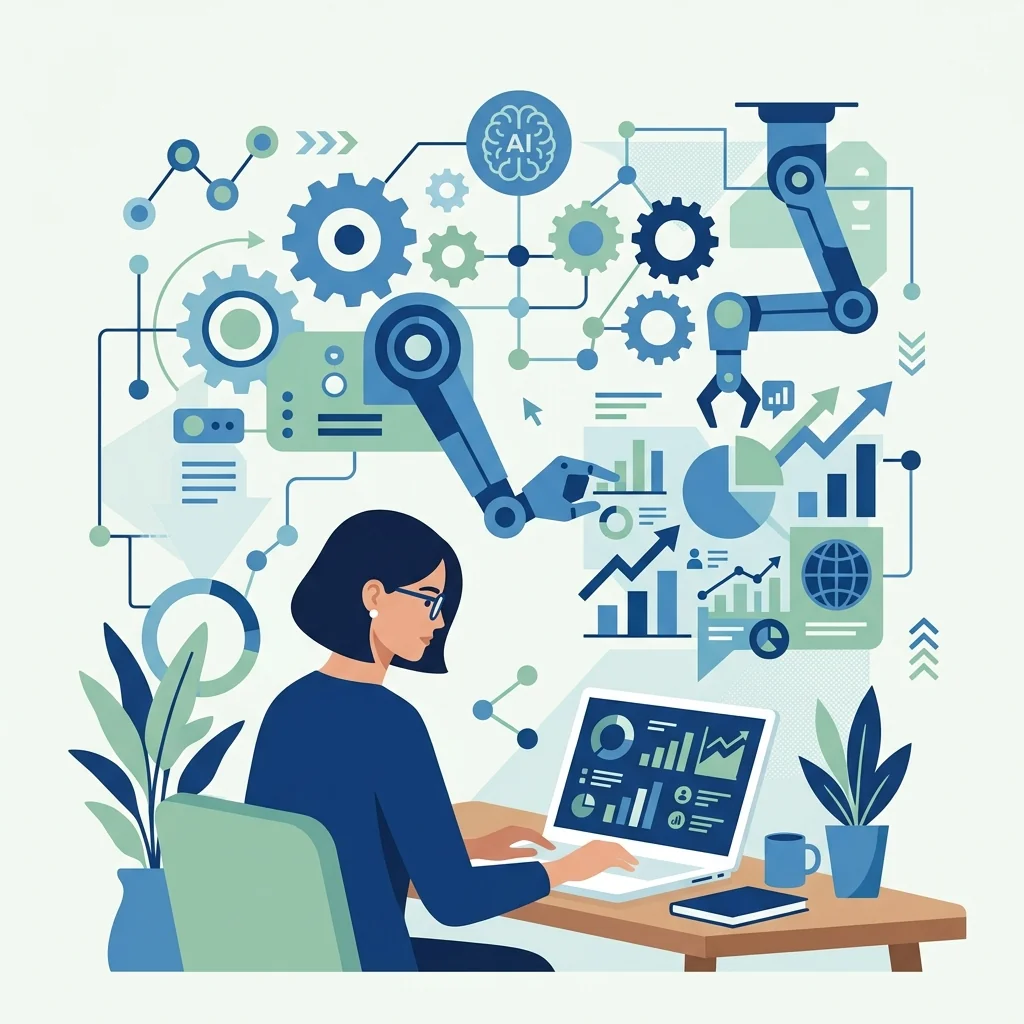
Introduction to AI in Business Processes
Artificial Intelligence (AI) has become integral for businesses looking to streamline operations and enhance efficiency. By 2026, small to medium business owners can leverage AI tools to optimize workflows, reduce manual labor, and improve decision-making processes. AI-powered tools like predictive analytics and automation software allow businesses to analyze large datasets, uncover trends, and forecast future outcomes. For example, companies can automate routine tasks such as inventory management, customer service, and financial reporting, freeing up valuable time for strategic planning. Additionally, AI can personalize customer experiences, enhance marketing strategies, and improve overall productivity, making it an essential component in staying competitive in the evolving market.
To effectively use AI to optimize business processes in 2026, small and medium-sized businesses should focus on selecting the right tools tailored to their needs. Start by identifying repetitive or time-consuming processes that can benefit from automation. Explore AI solutions designed for specific functions, such as CRM systems for customer management or AI-based analytics for operational insights. It’s also important to ensure proper employee training and integration of AI tools, as this can maximize their effectiveness. Furthermore, businesses should prioritize data security and ethical use of AI to maintain trust with customers and stakeholders. By implementing AI strategically, businesses can achieve sustainable growth and adapt to future challenges in a technology-driven world.
Key Benefits of AI for Businesses
Artificial Intelligence (AI) offers transformative benefits for small to medium business owners looking to optimize their processes in 2026. By leveraging advanced AI tools, businesses can automate routine tasks, improve decision-making, and enhance customer experiences. For example, AI-powered analytics can process vast amounts of data to uncover insights that drive efficiency and profitability. Tools like chatbots or virtual assistants can handle customer inquiries 24/7, ensuring consistent engagement without the need for additional staff. Additionally, predictive analytics helps forecast demand, manage inventory, and reduce waste. These capabilities allow businesses to allocate resources more effectively, saving time and cutting operational costs.
Implementing AI-driven solutions can also foster innovation and adaptability, crucial for maintaining competitiveness in evolving markets. AI tools enable small and medium enterprises (SMEs) to personalize marketing efforts based on consumer behavior, increasing customer retention and satisfaction. Additionally, process automation minimizes human error, boosting the overall quality of goods and services. To integrate AI successfully, business owners should identify specific goals, select the right AI platforms, and ensure their teams are trained to utilize these tools effectively. Learning “how to use AI to optimize business processes in 2026” is especially relevant for SMEs aiming to thrive in a digital-first economy. By adopting AI strategically, businesses can unlock new opportunities for growth while staying agile in response to future challenges.
Top AI Tools for Process Optimization
Artificial Intelligence (AI) has become a pivotal tool for enhancing efficiency in small to medium business operations. By 2026, the integration of AI-driven solutions will be essential for businesses aiming to remain competitive. Tools like predictive analytics platforms can help forecast demand, allowing better inventory management. Additionally, automation tools such as robotic process automation (RPA) can reduce repetitive tasks, freeing employees to focus on strategic initiatives. AI chatbots also improve customer service by providing 24/7 support and handling common queries. Implementing these tools requires understanding your business needs and selecting solutions that align with your goals. Small to medium business owners can greatly benefit from leveraging AI to streamline operations and maximize productivity.
To effectively use AI for business optimization in 2026, it's critical to follow a structured approach. Start by identifying key areas that need improvement, such as customer engagement, inventory management, or data analysis. Research available AI tools tailored to these functions, such as NLP software for communication or machine learning models for predictive insights. Training your team to use these tools is equally vital, as it ensures seamless adoption and long-term success. Furthermore, integrating AI with existing systems can amplify its impact, creating a more cohesive workflow. By employing this step-by-step process, small to medium business owners can unlock the full potential of AI, achieving greater efficiency and fostering growth.
Step-by-Step Guide to Implement AI
Artificial Intelligence (AI) has become a crucial tool for small to medium business owners aiming to optimize their processes in 2026. To get started, begin by identifying repetitive or time-consuming tasks within your operations. These can include data analysis, customer support, or inventory management. Next, research AI tools tailored to your industry. For example, chatbots like ChatGPT can automate customer service, while predictive analytics software can forecast demand. It’s essential to set clear goals, such as reducing costs or improving efficiency, before implementing any AI solution. Once you’ve chosen a tool, test it on a small scale to minimize risks and measure its effectiveness before full-scale adoption.
After selecting and testing the right AI tools, integration into your existing systems is key. Ensure your team is trained to use the technology effectively, as their understanding will directly impact its success. Monitor the performance of AI solutions regularly, using metrics like productivity improvements or error reductions. Small adjustments may be necessary to align AI functionalities with your business objectives. Keep up with emerging technologies and updates to maintain competitiveness. By following these steps, small to medium businesses can leverage AI to streamline operations, save costs, and stay ahead in an increasingly tech-driven market. This approach ensures that businesses are prepared for the dynamic challenges of 2026 and beyond.
Future Trends in AI for 2026
Artificial intelligence (AI) is set to revolutionize business processes by 2026, especially for small to medium-sized businesses (SMBs). Emerging AI tools will focus on automating repetitive tasks, enhancing decision-making, and improving customer experience. For instance, AI-driven analytics will provide deeper insights into market trends, enabling SMBs to make data-backed decisions quickly. AI-powered chatbots will deliver personalized customer support while minimizing operational costs. Moreover, advanced machine learning models will streamline supply chain management, predicting inventory needs accurately. By integrating these AI tools, SMBs can optimize resources, reduce inefficiencies, and remain competitive. Understanding how to use AI effectively will be critical for business owners aiming to scale in a tech-driven economy.
To optimize business processes with AI in 2026, SMBs should adopt a strategic approach. First, identify areas in the workflow where automation can deliver the most value, such as accounting, marketing, or customer service. Next, invest in user-friendly AI tools tailored to specific business needs, ensuring seamless integration with existing systems. For example, AI-based CRM platforms can enhance client relations by analyzing customer behavior patterns. Additionally, training employees to use these tools effectively will promote smoother implementation. Finally, regularly assess AI implementations to measure their impact on productivity and adjust strategies accordingly. By following these steps, SMBs can leverage AI to optimize operations and grow sustainably in a competitive market.