Introduction to AI in Product Design
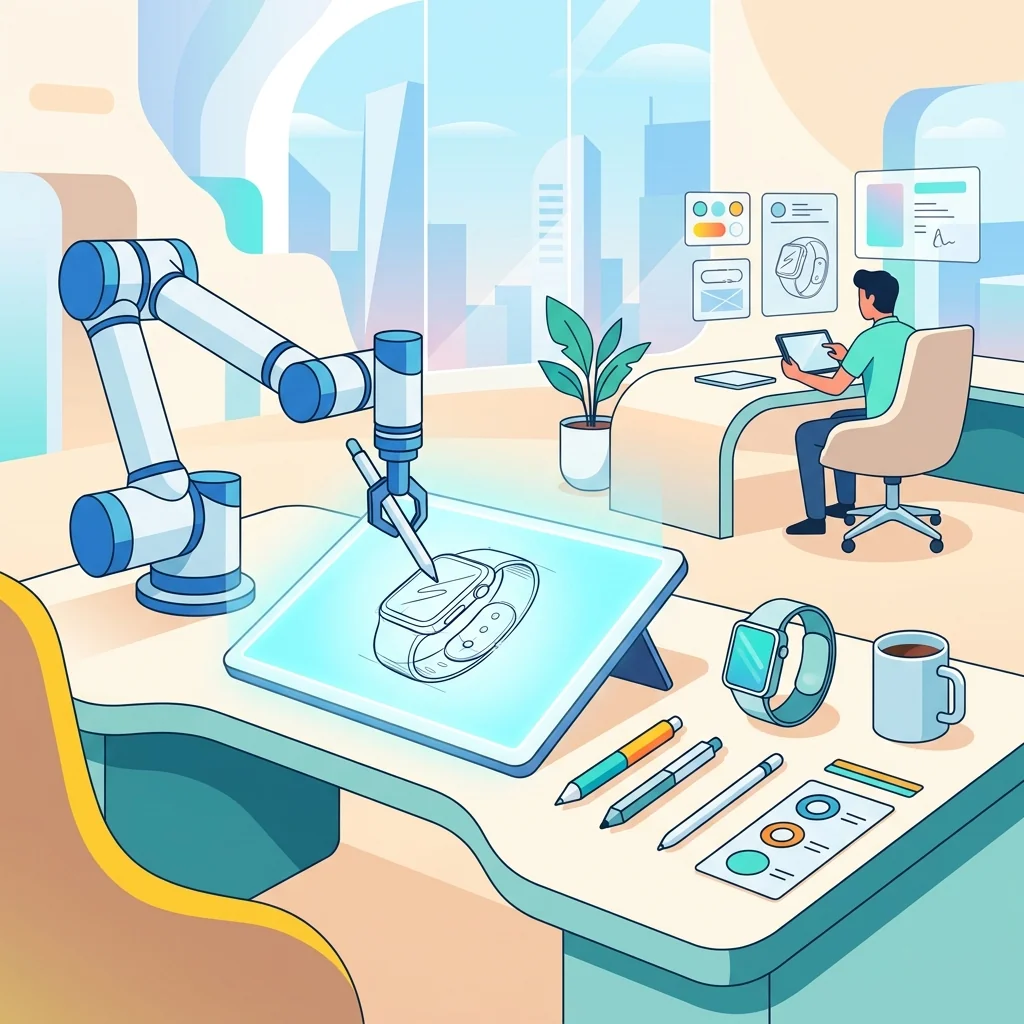
Artificial Intelligence (AI) is set to revolutionize product design by 2026. With the rapid development of AI tools, designers can now create innovative solutions faster and more efficiently. These tools assist in generating design concepts, simulating product performance, and even predicting user preferences based on data analysis. For instance, AI-powered software can suggest design variations or optimize features to meet user needs. Beyond automation, AI enhances creativity by providing designers with insights and inspirations they might not have considered. As a result, product designers can focus on refining ideas while AI handles repetitive and data-heavy tasks. This collaboration between human creativity and machine intelligence is transforming how products are conceptualized and developed.
By 2026, the integration of AI in product design will become more accessible and user-friendly. Platforms equipped with machine learning algorithms will analyze customer feedback and market trends to inform design decisions. AI can also identify inefficiencies in prototypes, allowing designers to address issues before production. Moreover, generative design tools powered by AI can produce hundreds of design iterations, giving designers a broader range of options to explore. This shift enables product designers to save time, reduce costs, and create more innovative, user-focused products. As AI tools continue to evolve, designers who embrace this technology will remain competitive, pushing the boundaries of modern design practices.
Key Benefits of AI for Designers
Artificial intelligence (AI) is poised to revolutionize product design by 2026, offering designers advanced tools to streamline workflows and enhance creativity. With AI-powered software, product designers can generate innovative concepts quickly, reducing the time spent on repetitive tasks. For instance, generative design tools use algorithms to explore numerous design variations based on specific parameters, helping designers identify optimal solutions faster. AI also aids in prototyping by simulating real-world scenarios, allowing designers to test and refine their ideas virtually before production. This capability not only saves resources but also minimizes errors, leading to more efficient design processes.
Moreover, AI enhances collaboration and decision-making in product design. Machine learning algorithms analyze vast amounts of data, providing actionable insights and predicting trends that inform design choices. AI-driven analytics help designers understand user preferences and market demands, ensuring products meet customer needs. Additionally, AI tools can facilitate better communication within design teams by integrating feedback loops and automating documentation. This fosters a more cohesive workflow, enabling designers to focus on innovation rather than administrative tasks. As AI continues to evolve, its role in product design will expand, empowering designers to push creative boundaries while maintaining efficiency and precision. By leveraging AI tools, product designers in 2026 can stay competitive and deliver impactful, user-centered designs.
AI Tools Shaping Product Design
Artificial intelligence (AI) is revolutionizing the landscape of product design, offering tools that can streamline processes and inspire innovation. By 2026, AI is expected to assist designers in creating user-centric products more efficiently. AI tools can analyze large datasets to identify market trends, predict consumer preferences, and suggest design features that align with user needs. For example, generative design algorithms allow designers to input specific criteria, such as materials or dimensions, and receive optimized designs tailored to those constraints. This enables a faster, data-driven approach to prototyping and iteration, reducing time-to-market while maintaining creativity. Additionally, AI-powered design assistants can provide real-time feedback, ensuring every design decision adheres to industry standards and user expectations.
In the coming years, AI will also play a crucial role in fostering collaboration during the product development process. Machine learning algorithms can facilitate communication between cross-functional teams by automatically translating technical specifications into understandable visuals or suggestions. This ensures that both technical and non-technical stakeholders can contribute effectively to the design process. Furthermore, AI can simulate real-world interactions with products, enabling designers to test usability, ergonomics, and functionality virtually before physical production begins. Such advancements not only improve design accuracy but also minimize costs associated with errors or revisions. For product designers aiming to stay competitive, leveraging AI tools will be essential to meet the growing demand for innovative, user-focused solutions.
Challenges of Implementing AI
The challenges of implementing AI in product design primarily revolve around data quality and integration. To efficiently harness the power of AI tools, designers need access to high-quality, diverse datasets, which can be difficult to obtain. Poor or biased data can lead to inaccurate predictions or unhelpful insights, limiting the effectiveness of AI. Additionally, integrating AI into existing design workflows often requires significant adjustments. Designers may need to learn new software or adapt to automated processes, which can disrupt established practices. These transitional hurdles can hinder adoption, especially among smaller design teams with limited resources. Overcoming these challenges is key to leveraging AI tools effectively in the product design field.
Moreover, the ethical implications of AI usage in product design cannot be ignored. Designers must ensure that AI tools are used responsibly, avoiding potential biases or unintended consequences in their product outcomes. This requires careful oversight and an understanding of how AI systems reach their conclusions, which can be opaque due to the complexity of algorithms. Transparency and accountability become critical factors, especially when designing for diverse audiences. Furthermore, the cost of implementing advanced AI tools may be prohibitive for small-scale designers, raising concerns about accessibility and equality within the industry. Addressing these ethical and financial challenges will be essential as AI becomes more central to product design in the years ahead.
Future Trends in AI for Product Design
Artificial Intelligence (AI) is set to revolutionize product design by 2026, providing designers with advanced tools to streamline workflows and foster creativity. Leveraging AI, product designers can analyze vast amounts of data to predict market trends, consumer preferences, and material innovations. This enables the creation of products that are not only functional but also highly tailored to user needs. AI-powered generative design tools will allow designers to explore multiple design iterations rapidly, optimizing for factors such as cost, durability, and sustainability. Additionally, AI-driven user experience (UX) analysis will help designers refine their products based on real-time feedback, ensuring that their creations remain relevant and user-centered.
By 2026, AI tools will likely be integrated across the entire product development lifecycle, from ideation to prototyping and manufacturing. For example, machine learning algorithms can assist in identifying design flaws early, reducing time and costs associated with revisions. Product designers will also benefit from AI-enhanced collaboration platforms, which facilitate seamless communication between teams and stakeholders. Moreover, augmented reality (AR) powered by AI will allow designers to visualize and test products in real-world scenarios before production. These advancements promise to transform product design into a more efficient, data-driven, and innovative process, enabling designers to focus on creativity while AI handles complex computations and repetitive tasks.