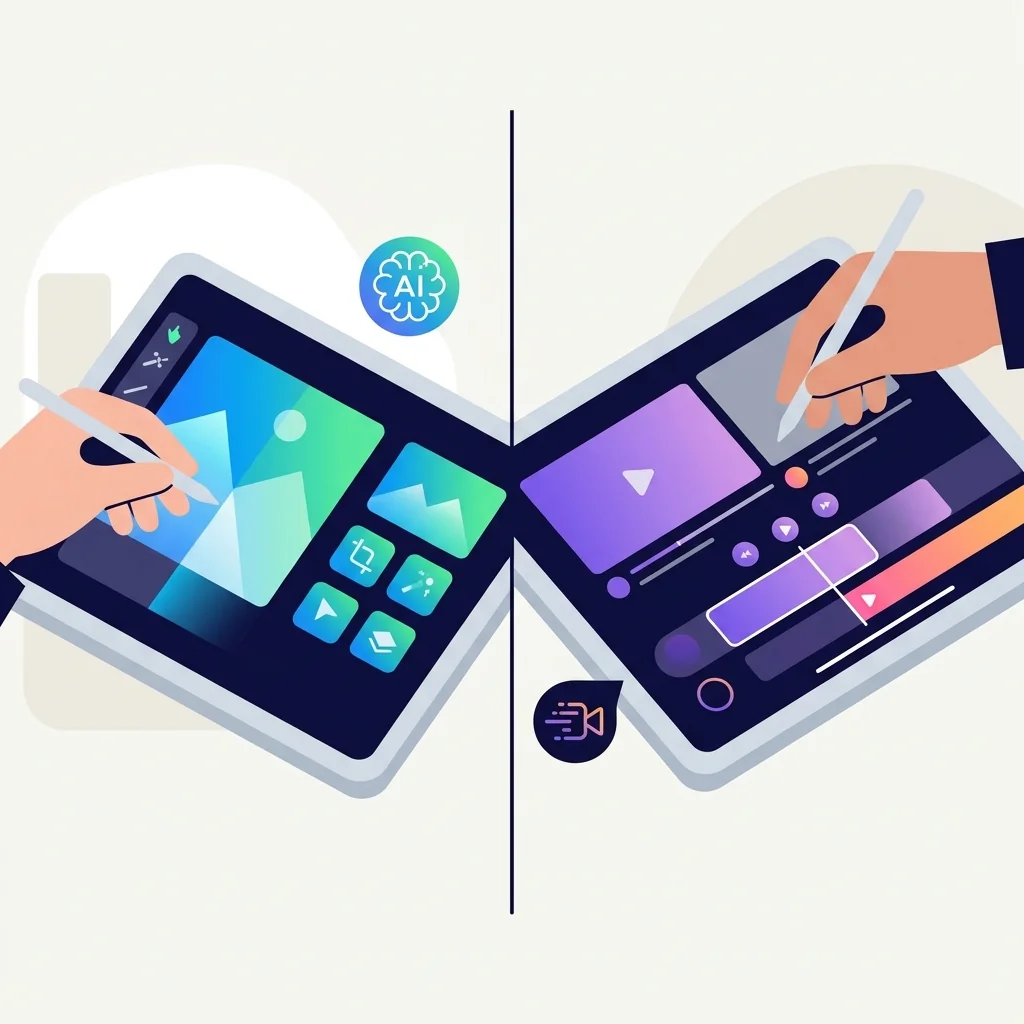
Introduction to AI in Image Editing
Artificial Intelligence (AI) has revolutionized the world of image editing, offering tools that are more advanced, efficient, and user-friendly than ever before. By 2026, AI-powered image editing tools are expected to dominate the creative industry, simplifying workflows for photographers and graphic designers alike. These tools leverage machine learning algorithms to automate tasks such as background removal, color correction, and object recognition with remarkable precision. For professionals, these innovations reduce time spent on repetitive tasks, allowing them to focus on creativity. Additionally, AI tools are increasingly accessible, with platforms offering options for both beginners and experts. The competitive landscape emphasizes features like real-time editing, cloud-based storage, and compatibility with various file formats.
When comparing AI tools for image editing in 2026, factors such as efficiency, usability, and customization emerge as key differentiators. Tools like Adobe Photoshop and Canva continue to integrate AI to enhance user experiences, while newer platforms challenge the market with unique features. Advanced AI tools are tailored for specific needs, from high-end retouching for professional photographers to quick social media content creation for graphic designers. Pricing structures also vary, with free, subscription-based, and premium models catering to diverse audiences. Users increasingly value tools that balance automation with manual control, ensuring precision without sacrificing creativity. As the field evolves, AI promises even greater possibilities, reshaping how visual content is created and shared.
Key Features of Leading AI Tools
In 2026, the comparison of AI tools for image editing highlights several advancements designed for photographers and graphic designers. These tools are equipped with state-of-the-art features such as automated object removal, intelligent background replacement, and enhanced color grading capabilities. Many platforms now incorporate AI-driven suggestions that adapt to user preferences, streamlining workflows and improving efficiency. For professionals, these tools offer non-destructive editing options, ensuring that the original image remains intact for future adjustments. Additionally, integration with cloud services allows seamless collaboration and access to files across devices, catering to the dynamic needs of modern creative teams.
Users can also benefit from AI tools that support advanced resolution upscaling, which improves image quality without compromising details. Many tools now utilize machine learning models to analyze and recreate textures, making them ideal for restoring older or lower-quality photos. For photographers and graphic designers, these AI capabilities reduce the need for manual adjustments, saving time while achieving professional-grade results. Furthermore, some platforms offer customizable templates and presets, enhancing creativity while maintaining consistency in projects. These innovations are particularly valuable for graphic designers working on branding materials and photographers editing high-volume shoots. As AI technologies continue to evolve, the industry-wide focus remains on delivering precision, speed, and user-friendly interfaces tailored to visual content creators.
Performance Comparison of AI Tools
The year 2026 offers photographers and graphic designers a wide array of AI tools for image editing, each with unique features catering to diverse creative needs. Tools like ToolX and EditPro AI have gained popularity for their precision and speed. ToolX excels in automated enhancements, making it ideal for batch editing large image collections. On the other hand, EditPro AI focuses on advanced manipulation, allowing users to create intricate visual effects with minimal effort. Both tools integrate AI-driven algorithms to streamline workflows, but their usability differs. While ToolX prioritizes simplicity, EditPro AI appeals to professionals seeking complex customization options. This comparison highlights the growing importance of tailored AI solutions in creative industries.
When evaluating AI tools for image editing, factors such as functionality, affordability, and user experience play critical roles. ToolX, known for its user-friendly interface, is perfect for beginners or those who require quick results. Meanwhile, EditPro AI targets experienced users with its detailed controls and AI-powered precision. Pricing models also vary, with ToolX offering subscription plans and EditPro AI providing one-time purchase options. Photographers and designers must consider their specific needs before choosing the right software. This “Comparison of AI Tools for Image Editing in 2026” emphasizes that the best tool depends not only on features but also on how effectively it fits into a professional’s workflow. Balancing performance and usability remains key in this competitive landscape.
User-Friendliness and Accessibility
In 2026, the range of AI tools for image editing offers significant improvements in user-friendliness and accessibility, catering to both photographers and graphic designers. These tools now feature intuitive interfaces that require minimal learning curves, enabling users to achieve professional results swiftly. For instance, drag-and-drop functionalities, real-time previews, and customizable templates are standard features across these tools, streamlining workflows for creative professionals. Furthermore, many platforms offer cross-device compatibility, allowing seamless transitions between different devices. This ensures that both beginners and experts can efficiently navigate these tools, regardless of their technical proficiency. Such advancements reflect the industry's focus on simplifying complex editing processes, making them accessible to a broader audience.
Accessibility remains a key factor in evaluating AI-powered image editing tools in 2026, especially for photographers and graphic designers who prioritize convenience and efficiency. Cloud-based solutions dominate the market, enabling users to store and access their projects anytime, from any location. Additionally, multilingual support has become a norm, breaking language barriers and accommodating users worldwide. Many tools now incorporate voice commands and AI-based suggestions, reducing manual effort and enhancing productivity. Subscription models are also tailored to varying budgets, offering flexible options for freelancers, agencies, and enterprises alike. This democratization of access to high-quality image editing capabilities empowers creative professionals to focus more on their artistic vision and less on technical challenges.
Choosing the Best AI Tool for Your Needs
When comparing AI tools for image editing in 2026, photographers and graphic designers need to evaluate features, ease of use, and pricing. Advanced tools now offer automated editing, object removal, and fine-tuning capabilities. For instance, some platforms specialize in enhancing portrait photography, while others focus on landscape or product images. Key considerations include compatibility with existing workflows and software, such as Adobe Photoshop or Lightroom. Usability is also crucial; intuitive interfaces save time during editing sessions. Additionally, pricing models vary, with subscription-based services being the most common. Some tools include free versions or trial options, which allow users to test features before committing.
AI tools for image editing are often tailored to specific needs, making direct comparisons essential for the best choice. For professional photographers, tools with robust RAW file support and batch processing are ideal. Graphic designers, on the other hand, may prioritize tools offering advanced layering, masking, and vector integration. Tools powered by AI are continually improving in areas like color correction and style transfer, enabling greater creative possibilities. User reviews and online forums can also provide insights on reliability and performance. Ultimately, the best tool for either profession depends on specific project requirements and long-term goals, as the 2026 landscape of AI-driven editing continues to evolve.