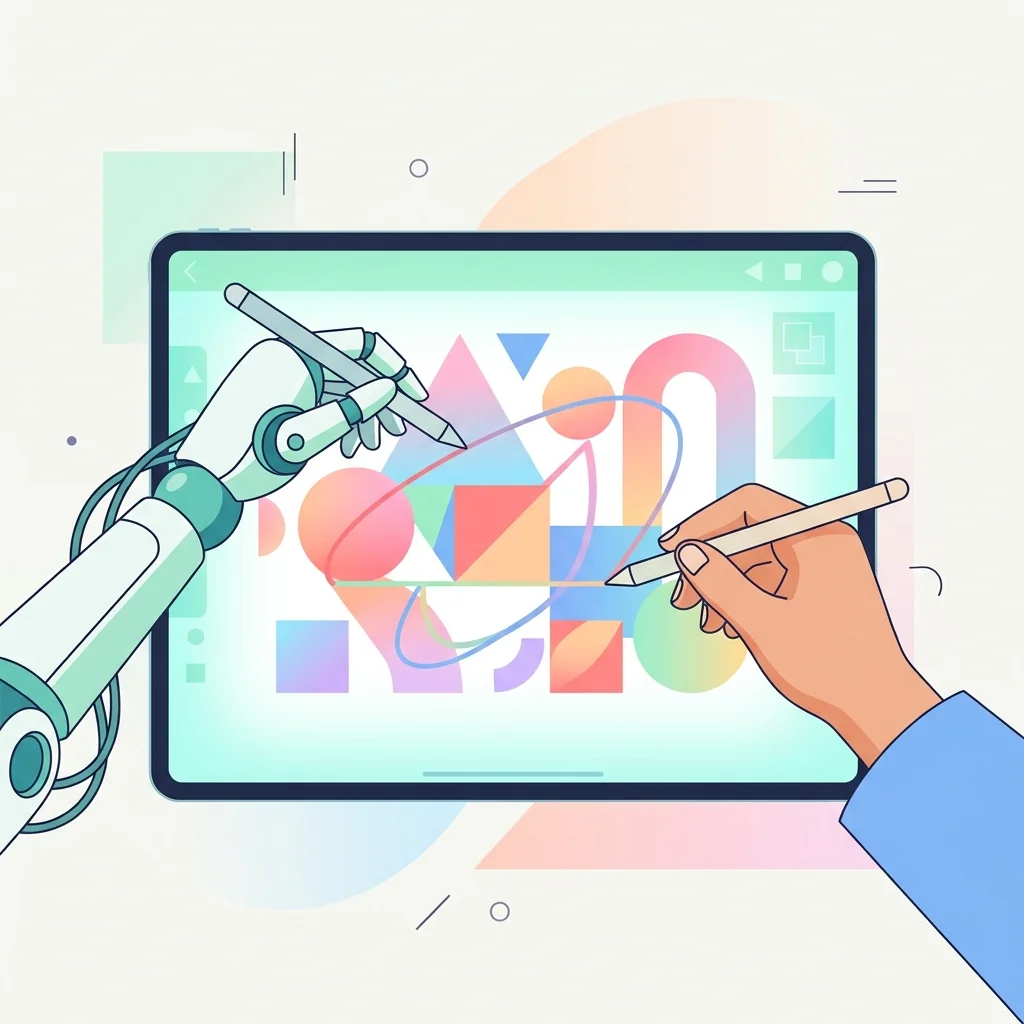
Introduction to AI in Graphic Design
Artificial Intelligence (AI) has become an essential tool for graphic designers and digital artists, radically transforming the creative process. By integrating AI tools, designers can experiment with innovative ideas, automate repetitive tasks, and boost productivity. AI-powered platforms such as image generators and design assistants help users create unique visuals by offering suggestions and templates tailored to specific needs. These technologies enhance creativity by removing technical barriers, allowing artists to focus on their core ideas. For instance, AI can assist in generating color palettes, resizing designs, and even creating original concepts based on textual input. This synergy between AI and human creativity opens new possibilities for the design industry.
For graphic designers and digital artists looking to refine their skills, AI offers a wealth of opportunities to streamline workflows and foster innovation. Tools like deep learning algorithms analyze patterns and trends, enabling the creation of highly personalized and relevant designs. By reducing time spent on manual adjustments, AI allows designers to allocate more energy toward conceptual development and storytelling. Furthermore, AI bridges the gap between technical expertise and artistic vision, making professional-grade design accessible to beginners. As the technology evolves, its ability to enhance creativity with AI in graphic design continues to grow, promising a future where collaboration between humans and machines leads to groundbreaking artistic achievements.
Key Benefits of AI for Creativity
Artificial intelligence (AI) has become a valuable asset for graphic designers and digital artists, offering tools that significantly enhance creative potential. By automating repetitive tasks like resizing images, adjusting color palettes, or generating patterns, AI allows artists to focus on the conceptual and artistic aspects of their work. Tools powered by AI can analyze design trends, recommend layouts, and even suggest font pairings, ensuring that designs remain contemporary and impactful. For example, AI-based image generation tools can create unique visuals in seconds, providing inspiration or serving as the foundation for new designs. This innovative approach not only saves time but also broadens creative possibilities, making AI an indispensable partner for creative professionals.
Another significant benefit of AI in graphic design is its ability to personalize and adapt designs based on audience preferences. AI algorithms can analyze user data to understand the preferences and behaviors of target audiences, enabling designers to create highly tailored content. For instance, AI tools can suggest visuals or color schemes that resonate with specific demographics, ensuring that the final design aligns with the intended message. Moreover, these tools foster collaboration between artists and technology, helping to bridge the gap between human creativity and machine precision. By integrating AI into their workflows, graphic designers and digital artists can achieve more efficient, innovative, and audience-centered results, enhancing their overall creative output.
Popular AI Tools for Designers
Artificial Intelligence (AI) has transformed the way graphic designers and digital artists approach their creative processes. Tools like Adobe Firefly and DALL-E are becoming essential for generating unique ideas and visual concepts. These platforms allow designers to create AI-generated images, modify existing designs, and test innovative styles with minimal effort. By using AI, designers can save time on repetitive tasks, focus on refining their vision, and explore new artistic possibilities. Enhancing creativity with AI in graphic design has become a popular trend, encouraging professionals to integrate these tools into their workflows to stay competitive and innovative.
Beyond image generation, AI tools also support tasks like typography enhancement, color palette suggestions, and layout optimization. Tools such as Canva and Runway ML provide accessible solutions for both beginners and seasoned professionals to improve their work. By analyzing design trends and user preferences, AI helps in creating visually appealing and contextually relevant designs. These tools not only enhance efficiency but also inspire creativity by offering suggestions that align with the designer’s goals. For graphic designers and digital artists, adopting AI technologies enables them to push creative boundaries while maintaining high-quality standards in their work. The fusion of human creativity and AI-driven solutions is reshaping the future of graphic design.
Overcoming Challenges with AI Integration
Integrating AI into graphic design workflows presents unique challenges, but it also offers immense opportunities for enhancing creativity. Many graphic designers and digital artists initially face difficulties adapting to AI tools due to unfamiliarity or concerns about losing their artistic identity. However, by embracing these technologies, they can unlock new ways to approach design problems. AI-powered tools for image generation, color matching, and layout optimization allow designers to experiment more freely and focus on conceptual refinement. This combination of human creativity with machine efficiency enables professionals to create more innovative and impactful designs without being constrained by repetitive tasks.
To successfully integrate AI into creative processes, graphic designers must strike a balance between automation and artistic vision. AI tools should be viewed as collaborators rather than replacements, complementing the designer’s expertise. For instance, an AI image generator can quickly produce multiple variations of a concept, saving time and providing fresh perspectives. This empowers designers to refine ideas and explore unconventional design paths. While AI offers powerful capabilities, the human touch remains essential for infusing emotion and storytelling into the final artwork. By understanding the strengths and limitations of AI, graphic designers and digital artists can leverage these tools to elevate their work, driving innovation in a rapidly evolving industry.
Future Trends in AI and Graphic Design
The integration of artificial intelligence (AI) into graphic design is reshaping how creativity is approached. AI tools such as image generators, layout assistants, and automated color palettes can help graphic designers and digital artists streamline their workflows. These tools do not replace creativity but enhance it by providing fresh ideas and reducing repetitive tasks. For instance, AI can analyze design trends and suggest styles, ensuring relevance in today’s fast-evolving market. By understanding how to collaborate with AI, designers can unlock new levels of productivity and innovation. These advancements allow for more time spent on refining artistic concepts, making it easier to achieve high-quality, impactful results.
As AI technology evolves, the future of graphic design will likely emphasize greater personalization and collaboration between humans and machines. Tools like AI-powered image editors and 3D model generators are becoming more intuitive, making them accessible even to those with limited technical expertise. This democratization of design tools enables a broader audience to experiment with creative projects. Moreover, AI algorithms can adapt to individual styles, offering customized suggestions based on unique preferences. For graphic designers and digital artists, this represents an opportunity to elevate their creative processes while maintaining artistic integrity. As a result, understanding and leveraging AI's potential is essential for professionals aiming to stay competitive in this dynamic, tech-driven industry.